Hedge Trimming in Grahame Park: Practical, Professional, and Reliable Care for Local Gardens
Keeping hedges neat, healthy, and well-shaped is one of the simplest ways to improve the look and feel of any outdoor space. In a busy area like Grahame Park, where gardens, front boundaries, communal spaces, and private outdoor areas all contribute to the local environment, hedge trimming in Grahame Park plays an important role in maintaining curb appeal and plant health. A well-cut hedge does more than look tidy. It can create privacy, define space, support healthy growth, and make a property feel cared for throughout the year.
Whether you have a small ornamental hedge, a tall boundary hedge, or mixed shrubs that need regular shaping, proper hedge trimming requires timing, skill, and attention to detail. Many homeowners and property managers in Grahame Park want a result that looks clean without damaging the plant. That is why understanding the process, the seasonal needs of different hedges, and the benefits of regular maintenance matters. Hedge trimming in Grahame Park is not just about cutting back growth; it is about creating lasting structure and healthy development.
From formal box hedges to fast-growing privet and conifer boundaries, each type of hedge responds differently to pruning. Knowing how and when to trim can make a major difference to the long-term appearance of the garden. If you are aiming for sharp lines, even height, and healthy regrowth, then professional hedge care can save time and reduce the risk of common mistakes. Book your service now if your hedge is starting to look overgrown, uneven, or difficult to manage on your own.
Why Hedge Trimming Matters in Grahame Park
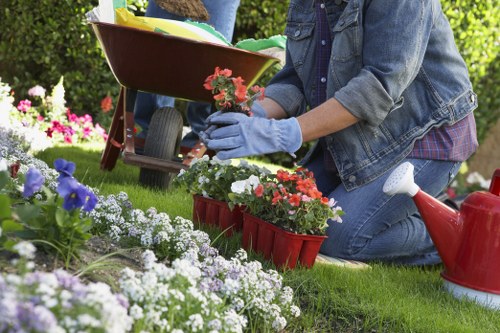
Well-maintained hedges can transform a property. In Grahame Park, where gardens often serve as a key part of everyday living, regular hedge trimming helps homes and outdoor spaces look more inviting. A trimmed hedge frames pathways, borders lawns, and creates a sense of order. Without regular care, hedges can quickly become unruly, block light, and spread unevenly into adjoining areas.
One of the main reasons residents choose hedge trimming in Grahame Park is to preserve the shape and size of their hedges. Overgrown hedges can become difficult to manage, especially when they start to dominate the garden or reduce access to windows and walkways. Timely trimming keeps growth under control and prevents the need for more drastic cutting later.
There is also an ecological benefit to responsible trimming. When done correctly, hedge maintenance encourages dense, healthy growth rather than sparse or woody development. This means your hedge can better support wildlife, provide shelter, and maintain a strong appearance across the seasons. Healthy trimming supports healthy hedges, and that is one reason so many local property owners make it part of regular garden care.
Key Benefits of Regular Hedge Maintenance
- Improves the appearance of front and rear gardens
- Maintains privacy and boundary definition
- Encourages thick, healthy regrowth
- Prevents hedges from becoming too wide or tall
- Reduces the risk of light blockage and overhang issues
- Makes future maintenance easier and less time-consuming
Understanding Different Hedge Types in Grahame Park
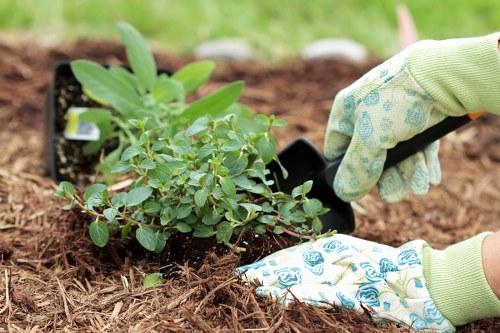
Not all hedges are the same, and that is especially important when planning hedge trimming in Grahame Park. Some hedges grow quickly and need frequent attention, while others are slower-growing and only need shaping once or twice a year. The plant species, age, location, and desired finish all influence the correct trimming approach.
Common hedges in local gardens may include privet, laurel, leylandii, beech, hawthorn, yew, and box. Each of these has different characteristics. For example, privet can be trimmed regularly to maintain a tight shape, while yew often benefits from careful, precise cuts that preserve its dense structure. Laurel hedges can handle harder pruning, but timing is still important to avoid stress and uneven recovery.
Understanding the hedge type helps prevent over-cutting and supports a better result. A hedge that is clipped too aggressively may expose bare patches or slow regrowth. On the other hand, a hedge trimmed too lightly may continue to spread and lose its shape. That is why many people in Grahame Park prefer experienced hedge trimming services that can adapt the method to the hedge itself.
Common Hedge Characteristics to Consider
- Growth rate: fast, moderate, or slow
- Leaf density: affects how much shaping is needed
- Seasonal response: when the hedge recovers best
- Purpose: decorative, screening, boundary, or wildlife support
- Height and width: determines the tools and technique used
The Best Time for Hedge Trimming in Grahame Park
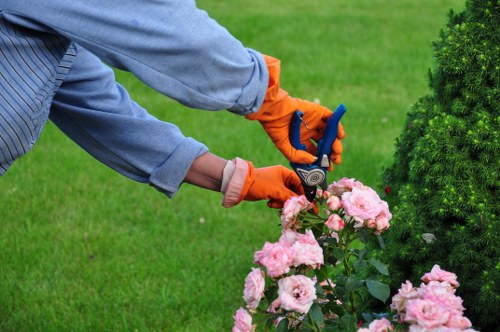
Timing is a crucial part of successful hedge care. In Grahame Park, hedge trimming should be planned around the species, the season, and the condition of the plant. Many hedges benefit from trimming during active growth periods, while others are better left until late summer or early autumn. Choosing the right time helps reduce stress on the hedge and supports strong regrowth.
Spring and summer are often popular times for shaping hedges because growth is active and the structure is easier to see. However, nesting birds must always be considered before any cutting begins. If wildlife is present, trimming should be postponed until it is safe to proceed. This is not only good practice but also part of responsible garden management. Hedge trimming in Grahame Park should always respect the local environment and seasonal wildlife activity.
Some hedges may need a light trim in early spring and a second cut later in the year to maintain a crisp shape. Others can be clipped once after their main growing flush. The ideal schedule depends on the hedge’s growth habit and the look you want to achieve. Regular maintenance is usually better than waiting for the hedge to become severely overgrown.
Seasonal Considerations
- Spring: good for light shaping, checking winter damage, and encouraging fresh growth
- Summer: suitable for maintaining shape and controlling rapid growth
- Autumn: useful for tidy-up cuts before winter arrives
- Winter: generally less ideal for active pruning, though some dormant hedges can be managed carefully
Because weather conditions in Grahame Park can vary, a flexible approach often works best. A hedge that has had strong growth after rainfall may need extra attention, while a stressed hedge may require lighter, more selective trimming.
Professional Hedge Trimming Techniques That Make a Difference
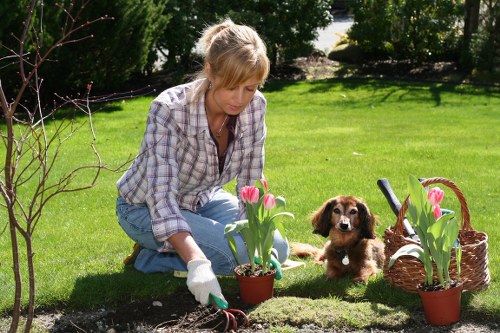
There is a real difference between basic cutting and expert hedge trimming. A skilled approach considers line, balance, plant health, and future growth. Professional hedge trimming in Grahame Park usually begins with assessing the hedge from multiple angles to identify uneven sections, dead growth, and areas that need shaping. This makes it easier to achieve a smooth, consistent finish.
Proper technique often involves trimming the sides slightly narrower at the top. This shape allows more light to reach the lower parts of the hedge, helping it stay dense all the way down. If the hedge is cut too square or allowed to become wider at the top, the lower foliage can thin out over time. That is one of the most common reasons hedges lose their attractive appearance.
Experienced hedge care also involves using the right tools for the job. Smaller hedges may be shaped with hand shears for a more controlled finish, while larger or taller hedges may require powered hedge trimmers. In either case, the aim is to make clean cuts that encourage recovery. Precision matters because uneven cuts can leave the hedge looking ragged and may reduce plant vitality.
Good Trimming Practices Include:
- Removing only the necessary amount of growth
- Keeping lines level and symmetrical
- Working methodically from one section to the next
- Checking for hidden dead branches or damage
- Cleaning up clippings carefully after the job is finished
When hedge trimming is done correctly, the result looks natural, neat, and balanced rather than harsh or overworked.
Common Hedge Problems Seen in Grahame Park Gardens

Many properties in the area experience the same hedge-related issues, especially when growth has been left unchecked for too long. One common problem is uneven height, often caused by trimming one section more often than another or by natural growth differences across the hedge. Another issue is thinning at the base, usually linked to poor shaping or too little light reaching the lower branches.
Overgrowth is also common. Hedges can spread beyond their intended boundary, encroach on pavements, or reduce usable space in the garden. In these situations, hedge trimming in Grahame Park may need to involve a careful reduction rather than a simple tidy-up. The aim is to restore control while protecting the plant from shock.
Storm damage, pests, disease, and drought stress can also affect hedge condition. Broken branches, brown patches, and sparse growth may require special attention before the hedge can be shaped properly. In some cases, selective pruning and feeding can help restore vigour over time. A professional service will usually assess the hedge first and then decide the safest route forward.
Signs Your Hedge Needs Attention
- It has started to block windows or pathways
- The top has grown wider than the base
- Branches are sticking out unevenly
- There are visible brown or dead sections
- Clippings are falling into the garden due to excess growth
- The hedge has become difficult to manage with normal tools
When these signs appear, it is usually best not to delay. Early action keeps the hedge manageable and prevents larger repairs later.
Why Residents and Property Owners Prefer Professional Help
While some light hedge maintenance can be done by homeowners, professional support often produces a cleaner, safer, and more reliable result. Tall hedges, thick growth, and awkward boundaries can all make trimming difficult without the right equipment and experience. For many people seeking hedge trimming in Grahame Park, professional care offers peace of mind and better long-term value.
Safety is one major reason. Working at height, handling sharp tools, and managing heavy clippings can be physically demanding. A trained team is better equipped to handle these challenges efficiently. Another reason is finish quality. A professional can achieve level lines, smooth edges, and a balanced shape that improves the whole appearance of the garden.
There is also the matter of time. Hedge trimming can take longer than expected, especially if the hedge has become overgrown or if cleanup is extensive. Hiring an experienced service can save hours of work while ensuring the hedge receives the right care. Contact us today if you want a neat finish without the hassle of doing the job yourself.
What Professional Hedge Trimming Usually Includes
- Initial inspection of hedge condition and shape
- Assessment of access, height, and surrounding areas
- Careful trimming to the desired line and size
- Removal of clippings and tidying of the area
- Advice on future maintenance timing
These steps help ensure the hedge not only looks good on the day but also continues to improve over time.
How Hedge Trimming Supports Garden Design
Hedges are more than background greenery. They help structure a garden and influence how the space feels. In Grahame Park, many gardens benefit from clear boundaries and well-defined planting areas. A neatly trimmed hedge can act like a living wall, creating privacy while still adding softness and natural texture.
For front gardens, hedge trimming can sharpen kerb appeal and make a property appear more welcoming. For rear gardens, it can improve usability by creating distinct zones for seating, planting, and play. When hedges are well maintained, they provide a strong visual line that complements lawns, flower beds, and patios.
Some property owners prefer formal, straight edges, while others want a more relaxed and natural shape. Either way, regular trimming keeps the chosen style intact. Good hedge care supports good garden design, and that is why trimming should be part of the broader maintenance plan rather than an occasional afterthought.
Design Benefits of Trimmed Hedges
- Creates structure and definition
- Frames key garden features
- Improves symmetry and balance
- Enhances privacy without making the space feel closed in
- Complements paving, decking, and lawn edges
Responsible Hedge Maintenance in a Local Setting
Local hedge care should always be done with responsibility in mind. In an area like Grahame Park, where gardens and communal surroundings contribute to the overall character of the neighbourhood, hedge trimming should be carried out in a way that respects both the plants and the environment. That includes avoiding unnecessary damage, being mindful of nesting seasons, and managing waste properly.
Responsible trimming also means understanding the hedge’s natural shape and growth pattern. Cutting too much at once can leave the hedge exposed and weaken it over time. A better approach is usually steady, regular care that maintains form without over-stressing the plant. This is especially important for hedges that act as screening or boundary features, where a healthy, dense structure is essential.
For many local residents, choosing hedge trimming in Grahame Park is about more than appearance. It is about keeping the garden functional, tidy, and enjoyable throughout the year. A well-managed hedge contributes to a pleasant outdoor environment and helps avoid bigger problems later on.
Practical Tips for Keeping Hedges Looking Their Best
If you want your hedges to stay attractive between professional visits, a few simple habits can make a big difference. Start by checking growth regularly so you can spot uneven areas early. Small corrections are easier than major reductions. Keeping the base clear of debris and weeds also supports airflow and makes the hedge easier to inspect.
Watering during dry periods can help young or recently trimmed hedges recover more smoothly, especially if they are under stress. Feeding may also be useful for certain hedge types, though this should be done carefully and in line with the plant’s needs. Avoid cutting in extreme heat, freezing conditions, or very wet weather whenever possible, as this can affect both the quality of the finish and the hedge’s ability to recover.
If you are unsure about the right approach, it is often safer to seek expert support. Book your service now to keep your hedge in shape and avoid the problems caused by delayed maintenance.
Simple Maintenance Habits
- Inspect hedges every few weeks during active growing seasons
- Remove small stray shoots before they become a larger issue
- Keep cutting tools clean and sharp if doing light work yourself
- Watch for signs of poor light or thinning at the base
- Schedule regular trimming before the hedge becomes overgrown
Choosing the Right Hedge Trimming Approach for Your Property
The best hedge trimming approach depends on what you want the hedge to do. A formal boundary hedge may need strict lines and repeated shaping. A decorative hedge may need softer contours and occasional detail work. A tall privacy hedge may require controlled reduction to preserve coverage while keeping it manageable. In all cases, hedge trimming in Grahame Park should be tailored to the plant and the property.
It is also important to think ahead. Hedges grow steadily, and a single trim is only one part of the process. A good maintenance plan considers future growth, seasonal changes, and how often the hedge will need attention. That is why regular care is usually more effective than occasional heavy cutting.
For local homeowners and landlords, this approach helps protect property value and keeps outdoor areas attractive through the year. A tidy hedge suggests a well-cared-for property, while an overgrown hedge can make even a neat garden appear neglected. Investing in proper trimming is a practical decision as well as a visual one.
Final Thoughts on Hedge Trimming in Grahame Park
Hedges are an important part of many Grahame Park gardens, offering structure, privacy, and year-round greenery. With the right care, they can remain healthy, attractive, and easy to manage. Regular hedge trimming in Grahame Park helps prevent overgrowth, supports balanced growth, and keeps outdoor spaces looking smart and well maintained.
Whether you are dealing with a small ornamental hedge or a large boundary screen, the key is to trim at the right time, use the right method, and avoid cutting too much at once. Professional hedge care provides a clean finish and takes the pressure off homeowners who want reliable results without the stress of doing everything themselves.
If your hedge needs shaping, reducing, or routine maintenance, now is the right time to act. A well-kept hedge makes your whole property look better and can prevent bigger problems later. Contact us today and book your service now to keep your hedges healthy, tidy, and perfectly presented in Grahame Park.