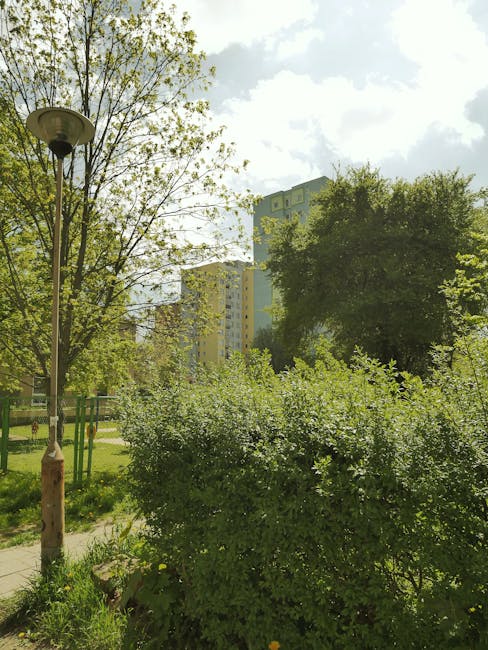
Estate Gardening Services for Grahame Park Tower Blocks: A Practical Guide to Safer, Greener Communal Spaces
If you manage, live in, or look after tower blocks in Grahame Park, you'll already know the truth: shared outdoor space is rarely "just a garden". It is a walkway, a first impression, a wind tunnel on a rough day, a place where children cut across to get home, and sometimes the one bit of green that makes the whole estate feel less concrete-heavy. That is exactly where Estate gardening services for Grahame Park tower blocks make a real difference. Done well, they keep communal areas tidy, safer, more welcoming, and much easier to manage over the long term.
This guide breaks down what estate gardening actually involves, how it works in a tower-block setting, and what to look for if you want results that last rather than a quick tidy-up that disappears by next week. We'll also cover common mistakes, compliance and safety considerations, and practical ideas that suit the realities of London estate life. It's not glamorous work, to be fair, but it matters. A lot.
Why Estate Gardening Services for Grahame Park Tower Blocks Matters
Tower-block estates in places like Grahame Park have a very specific gardening challenge. The space is communal, used by different people in different ways, and exposed to conditions that can be harsher than many private gardens. Wind whips through open walkways. Shade builds up around buildings. Soil can be compacted by constant foot traffic. Budgets are usually tighter than anyone would like. And because several households share the same space, neglect becomes visible fast.
That is why estate gardening is not only about keeping things neat. It supports day-to-day liveability. Trimmed borders, clear pathways, and well-managed planting reduce trip hazards and help residents feel that someone is properly looking after the place. In our experience, a tidy green space changes how people use it. Children linger a little longer. Residents stop ignoring the area and start noticing it again. Even a modest bed of shrubs or ground cover can soften a block's hard edges in a way that concrete never will.
There is also a social side. A well-kept estate can feel calmer, more respected, and less forgotten. And that feeling matters. When maintenance slips, small issues grow arms and legs: weeds spread, litter collects in planting beds, bins get surrounded by overgrowth, and the whole area starts to look neglected. Once that happens, recovery takes more effort than prevention.
Expert summary: for tower blocks, estate gardening works best when it is routine, practical, and designed around access, visibility, safety, and low maintenance rather than decorative excess.
If you want the broader maintenance picture alongside gardening, it can help to review the full range of garden maintenance support and the wider gardening services available for estates and shared spaces.
How Estate Gardening Services for Grahame Park Tower Blocks Works
Estate gardening for tower blocks usually starts with a site assessment. That sounds formal, but in practice it means walking the grounds, spotting the obvious pressure points, and deciding what needs regular care, what needs recovery, and what needs changing altogether. A good contractor will not treat the estate like a suburban lawn. Different rules. Different realities.
Typical work may include mowing where grass exists, pruning shrubs, clearing litter from planted areas, weeding, edging, seasonal planting, hedge cutting, and making sure access routes stay open. Some estates also benefit from patio or paving cleaning, minor landscaping, fencing repairs, or targeted tree work where canopy cover is affecting light, visibility, or safety.
The work is often set up on a schedule. Weekly or fortnightly visits are common for high-visibility communal areas, while larger tasks may be seasonal. You might see the team focus more on growth periods in spring and summer, then switch toward clearance, leaf control, and winter protection later in the year. That rhythm matters. Gardens do not keep office hours, and they certainly don't wait politely until next month.
For tower blocks specifically, the gardener also has to work around residents, deliveries, parking, and access routes. The best results usually come from clear planning: where equipment will be stored temporarily, which areas can be worked on without blocking entrances, and how noise, debris, and waste will be handled. If a contractor has no system for that, the job tends to get messy fast.
Weather resilience is another piece of the puzzle. Grahame Park can get exposed conditions, and some sites are naturally windy. Choosing plants and maintenance methods that cope with that exposure helps reduce plant losses and rework. If you're thinking about tougher planting choices for difficult corners, the advice in these wind-tackling gardening tips is a useful starting point.
Key Benefits and Practical Advantages
There are obvious benefits, and there are the quieter ones that show up over time. Both matter.
1. Better appearance, without constant stress
First impressions count. A block with controlled planting, clear edges, and no waist-high weeds simply feels cared for. That doesn't mean it has to be fancy. In fact, overcomplicated planting can backfire. A clean, restrained approach often looks better in a communal setting and is much easier to keep that way.
2. Safer shared spaces
Blocked sightlines, overgrown corners, slippery moss, and hidden debris are common problems around estate grounds. Regular maintenance helps reduce those risks. It also makes it easier for residents to see where they are walking, especially in darker or narrower areas near tower blocks.
3. Lower long-term costs
Neglected grounds usually cost more later. Let a hedge go for a season too long and it becomes a bigger, slower job. Leave weeds to seed and you will spend longer pulling them out later. Keep on top of things and the workload stays manageable. Simple, really.
4. Better plant survival in tough conditions
Estate planting has to cope with shade, wind, pollution, and heavy foot traffic. That means selecting robust species and maintaining them with those conditions in mind. A maintenance-led strategy often outperforms a one-time redesign, especially where budgets are tight.
5. More usable outdoor space
Communal green space is often underused because it feels unloved. Once it is better maintained, residents are far more likely to sit, pass through, or simply appreciate it. If seating or small social areas are part of the estate, thoughtful planting can help frame them rather than crowd them. For ideas on layout and comfort, see outdoor seating ideas.
6. A stronger sense of community
This is hard to measure, but easy to notice. When an estate looks looked after, people tend to treat it with a bit more care. Residents are more likely to report issues early, and less likely to assume no one is in charge. That alone can change the mood of a place.
Who This Is For and When It Makes Sense
Estate gardening services for Grahame Park tower blocks are not only for landlords or managing agents. They can make sense for a few different people and situations.
- Managing agents who need reliable communal maintenance without constant chasing.
- Housing associations looking to keep shared grounds tidy, safe, and cost-efficient.
- Resident management groups that want a better standard of presentation and usability.
- Developers or block owners maintaining landscaped areas after construction or refurbishment.
- Residents who want to raise a persistent issue that has been left too long.
It makes sense when the outdoor space is shared, visible, or difficult to maintain informally. It also makes sense after a period of neglect, following building works, or when planting has become too high-maintenance for the current budget. If your estate has dark corners, climbing plants can sometimes help soften blank walls or fences; the article on hardy evergreen climbers offers a practical angle on that.
It may be less about "beauty" than about keeping a place functional. Let's face it, most estates do not need a show garden. They need reliable, tidy, durable green space that doesn't become a weekly headache.
Step-by-Step Guidance
If you are planning or reviewing estate gardening, this is the sequence that usually works best.
- Walk the site properly. Look at access points, shaded zones, exposed edges, litter traps, drainage issues, and where residents actually walk.
- Separate high-priority areas from low-priority ones. Entrances, paths, bin areas, and visibility hotspots usually come first.
- Decide what is maintenance and what is improvement. Sometimes a site needs regular care; sometimes it needs planting changes, soil improvement, or a redesign of awkward corners.
- Choose a schedule that matches growth and use. Weekly may be necessary in peak season. In quieter periods, fortnightly or monthly may be enough for some areas.
- Define waste handling and access arrangements. Where cuttings go, how bins are reached, and how residents are kept informed all matter.
- Use resilient planting. Ground cover, hardy shrubs, and tough perennials often outperform delicate displays in estate settings.
- Review the work regularly. A good contractor should adapt to changing conditions rather than repeating the same routine blindly.
A small but important clarification: good estate gardening is not just about cutting things back. It includes observation. You want someone who notices where moss is returning, where the soil is too dry, where weeds are getting established, and where a hedge is starting to block light. That early spotting saves a lot of grief later.
If you are looking at wider upgrade work, you may also want to explore landscaping options or the estate's patio cleaning needs if paved communal areas are part of the picture.
Expert Tips for Better Results
Here's where the difference between "done" and "done properly" becomes visible.
- Keep planting simple. A few robust species usually beat a cluttered mix that needs constant attention.
- Prioritise visibility. Around tower blocks, overgrown corners can make spaces feel hidden and less comfortable. Clear sightlines help.
- Use ground cover in difficult spots. It reduces bare soil, suppresses weeds, and can tidy awkward edges far more effectively than trying to keep fiddly plants alive in a hostile spot. There's a useful guide to ground cover choices for UK gardens if you want plant ideas.
- Deal with weeds before they seed. One overlooked cycle can become months of extra work. The practical approach is covered well in these weed control tips.
- Think seasonally. Winter prep, spring regrowth, and summer watering needs are not the same. You know this already, but estates often get treated as if they were.
- Don't ignore the edges. Fence lines, corners, and around service paths often show neglect first.
- Ask for consistency. The same standards, the same checklist, the same finish. That's what keeps communal areas from swinging between neat and chaotic.
And yes, on some sites a little extra work on winter resilience pays off hugely. If you have ever seen a planted bed flattened by wind after a bleak January night, you'll know what I mean. The piece on winter plant care is handy for that sort of thinking.
Common Mistakes to Avoid
Estate gardening goes wrong in fairly predictable ways. Avoid these and you are already ahead of the game.
- Only commissioning reactive work. Waiting until the site looks bad usually means paying for catch-up rather than prevention.
- Choosing decorative planting that cannot cope. Pretty plants are fine, but not if they collapse in shade or wind.
- Letting hedges grow without an agreed finish height. That's how entrances get blocked and light gets lost. If hedging is part of your estate, it helps to understand hedge trimming in Grahame Park and the shape control needed for communal spaces.
- Ignoring drainage and soil compaction. If water sits, roots struggle and moss takes over.
- Allowing waste to linger. Bags of cuttings left onsite make even a tidy job look unfinished.
- Skipping communication with residents. A little notice about access or noise saves a lot of irritation.
- Assuming one visit solves everything. It rarely does. Estates need rhythm.
One small human reality: if the area is treated like a one-off project, it tends to slide backwards. Not immediately. Slowly. Then all at once. That's usually when people notice the weeds have become part of the furniture.
Tools, Resources and Recommendations
Good estate gardening is as much about the right kit as the right judgement. You do not need every gadget under the sun, but you do need proper tools that can cope with repetitive work and varied conditions.
Useful tools often include:
- commercial-grade mowers for grassed areas
- strimmers for edges and awkward boundaries
- hedge trimmers for regular shape control
- loppers and pruning saws for thicker stems
- leaf blowers or rakes for seasonal clearance
- pressure-cleaning equipment for suitable hard surfaces
- wheelbarrows or waste carts for efficient clearance
- sharp hand tools for detailed work
If you're curious about kit that actually helps rather than gathers dust in a shed, the guide to essential garden tools is a sensible read. For smaller or more awkward planting pockets, especially where estate space is limited, container gardening basics can be surprisingly relevant.
On budget-conscious sites, resource choices matter. A well-chosen mix of low-maintenance plants, mulch, and recurring clearance is often more effective than constant replanting. The article on creating a low-maintenance garden on a budget fits that mindset nicely.
Law, Compliance, Standards, or Best Practice
For communal estate work, compliance is mostly about safety, access, and responsible working. Exact requirements vary depending on the site, contracts, and risk profile, so it is wise to treat this as a practical checklist rather than a legal deep dive.
In general, reputable estate gardeners should be able to work in line with common UK expectations around health and safety, safe use of equipment, waste handling, and protecting residents, visitors, and staff. That usually means having sensible risk assessments, proper PPE, clear site procedures, and safe methods for working around entrances, pathways, and occupied buildings.
Insurance also matters. If a contractor is working near communal access points, fencing, vehicles, or structures, the basics need to be in place. It is perfectly reasonable to ask how they handle this. You can review the company's health and safety policy and insurance and safety information before work begins.
Data and resident trust matter too, especially when access arrangements or service notes are involved. If a provider is collecting personal details for appointments or invoicing, the relevant privacy policy, cookie policy, and payment and security information should be clear. The same goes for service expectations and dispute handling, which is where terms and conditions and the complaints procedure come in.
For estates with sustainability goals, good practice may also include composting where appropriate, reducing waste, and choosing hardy plants that reduce repeat replacement. That links nicely to the broader discussion of gardening's role in climate resilience. Nothing dramatic, just sensible choices that hold up.
Options, Methods, or Comparison Table
Not every estate needs the same level of input. The right approach depends on site size, visibility, resident use, and budget. Here's a simple comparison.
| Approach | Best for | Pros | Watch-outs |
|---|---|---|---|
| Reactive tidy-up | One-off catch-up jobs | Quick improvement, useful after neglect | Does not prevent repeat issues |
| Routine maintenance | Most tower-block estates | Predictable, safer, easier to budget | Needs consistent scheduling |
| Light redesign plus maintenance | Problem corners, poor planting, bare areas | Long-term efficiency, better visual quality | Requires more planning at the start |
| Full landscaping upgrade | Sites needing major improvement | Can solve deeper layout or drainage issues | Higher upfront disruption and cost |
For many Grahame Park tower blocks, routine maintenance is the baseline, then selective improvement is added where the site actually needs it. A full redesign can be brilliant in the right setting, but it is not always the most sensible first move. Sometimes the smartest answer is the boring one. Regular care. Consistent standards. No drama.
Case Study or Real-World Example
Picture a typical tower-block courtyard with a narrow grass strip, a few shrubs near the entrance, and a couple of corners where litter and weeds collect. The area starts off manageable, then spring growth takes over. The hedge nearest the footpath gets leggy. Weeds emerge around the edges. A damp patch near a shaded wall turns mossy. Residents begin to walk around the worst bits rather than through them.
Now imagine a practical estate gardening plan instead. The grass is mown regularly. Edges are cut cleanly, so the space looks deliberate rather than accidental. The hedge is trimmed to keep sightlines open and avoid shading the path. Ground cover is introduced in one awkward corner, reducing future weeding. Moss-prone paving gets cleaned at the right time of year. Waste is removed on each visit rather than left in heaps for later.
The change is not magical. It is steady. By the third or fourth visit, the site feels calmer because people can see a pattern. By the end of the season, the place looks looked after. That's the bit residents notice. Not perfection. Just care.
Where blocks have narrow or difficult planting pockets, the idea of using vertical planting or climbers can help soften walls without crowding the ground plane. The article on vertical gardening is worth a look if you're trying to do more with less space.
Practical Checklist
Use this quick checklist if you are reviewing or commissioning estate gardening for tower blocks.
- Are entrances, paths, and bin areas kept clear?
- Is there a regular schedule rather than ad hoc visits?
- Are weeds being controlled before they spread?
- Are hedges trimmed to a sensible height and width?
- Is the planting robust enough for wind, shade, and foot traffic?
- Are cuttings and waste removed promptly?
- Do contractors work safely around residents and access points?
- Is there a simple way to report recurring issues?
- Are seasonal tasks planned in advance?
- Does the maintenance approach match the budget without cutting corners?
If children use the space, think beyond appearance. Visibility, safe edges, and clear walking routes matter even more. For estate spaces that need a more family-friendly feel, the guides on designing safe outdoor spaces for children and creating a kids' haven outdoors may give you a few useful ideas.
Conclusion
Estate gardening services for Grahame Park tower blocks are about much more than keeping the place neat. They support safety, usability, resident confidence, and the long-term condition of communal spaces. In a tower-block setting, the best results usually come from practical maintenance, simple planting choices, sensible scheduling, and a service model that understands shared access and real-life use.
When gardening is done properly, people feel it even before they can explain it. The air feels less cluttered. The path feels clearer. The estate feels cared for. That is not a small thing. It changes how a place is lived in.
If you are weighing up options, start with the basics: access, routine, safety, and plant resilience. Then build from there. You do not need a showpiece. You need a space that works well every week, not just on the day it is finished.
Get a free quote today and see how much you can save.
Frequently Asked Questions
What do estate gardening services for tower blocks usually include?
They usually cover mowing, edging, hedge trimming, weeding, pruning, litter removal from planted areas, seasonal tidying, and sometimes light cleaning or small landscaping tasks. The exact mix depends on the estate layout and how much green space there is.
How often should communal garden areas in Grahame Park be maintained?
That depends on growth rates, usage, and visibility. Many tower-block sites benefit from weekly or fortnightly visits in the growing season, then lighter maintenance in winter. The main thing is consistency rather than waiting for the space to look bad.
Are low-maintenance plants better for estate gardens?
Usually, yes. In shared spaces, robust plants that cope with wind, shade, and foot traffic tend to be more practical than fragile ornamental planting. Low-maintenance planting also helps keep costs under control over time.
Can estate gardening improve safety around tower blocks?
Yes. Clear pathways, reduced overgrowth, and better sightlines can make communal areas feel safer and easier to navigate. It also helps reduce hidden litter, slippery patches, and awkward corners.
What is the difference between garden maintenance and landscaping?
Garden maintenance is the regular upkeep: mowing, pruning, weeding, and general tidying. Landscaping is more about changing the layout or structure of a space, such as redesigning planting beds, adding new features, or improving hardscape elements.
Do tower-block estates need hedge trimming as part of gardening services?
Often, yes. Hedges can quickly block light, obscure views, or intrude onto paths if they are not managed properly. Regular trimming keeps them under control and helps the estate feel open rather than boxed in.
How do I know if an estate gardening provider is reliable?
Look for clear scheduling, sensible communication, evidence of health and safety awareness, and a practical approach to waste removal and access. It also helps if they explain what they will do, when they will do it, and how issues are reported.
Can estate gardening work on a limited budget?
Absolutely. The trick is to focus on the highest-impact areas first: entrances, paths, visible beds, and problem zones. A simple, regular programme usually gives better value than sporadic expensive visits.
What should I ask before booking services for communal grounds?
Ask what tasks are included, how often the work will happen, whether waste is removed, how access is managed, and how health and safety is handled. It is also sensible to ask about insurance and the plan for seasonal changes.
What if the estate has very shady or windy areas?
That is common around tower blocks. The answer is usually to choose tougher planting, use ground cover where appropriate, and adjust maintenance so the site is not constantly fighting the weather. Some corners simply need a more resilient plan.
Are patio and paving areas part of estate gardening services?
They can be. Many communal spaces include hard surfaces that benefit from cleaning as well as planting care. If paving, seating areas, or shared terraces are part of the site, it makes sense to include them in the wider maintenance plan.
What is the best next step if our communal area has been neglected?
Start with a site assessment and a realistic cleanup plan. A neglected space usually needs both a one-off recovery visit and a proper routine afterward. If you only do the first part, the problem returns. If you only do the second, you never quite catch up.